
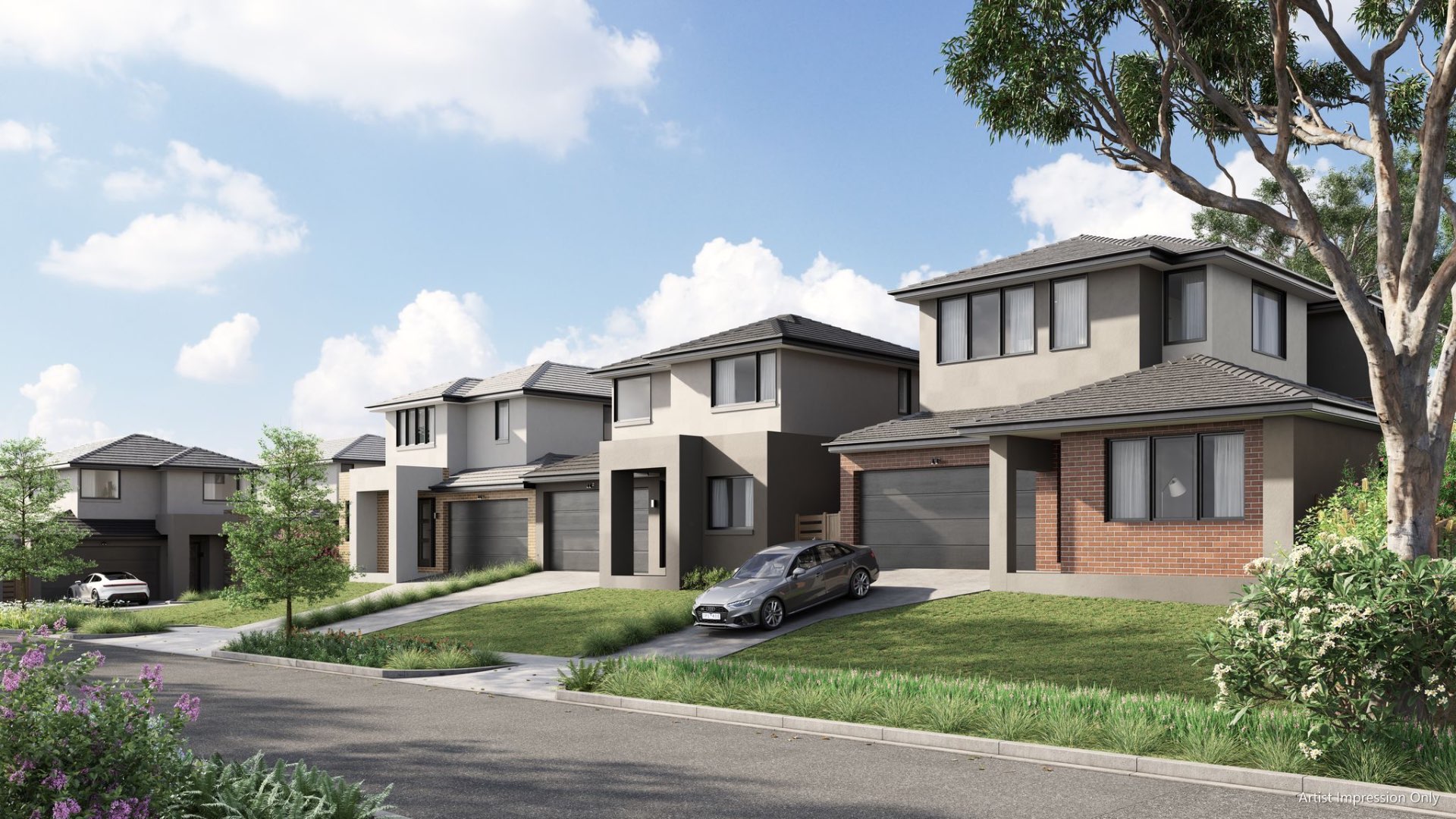
How an off the plan purchase works
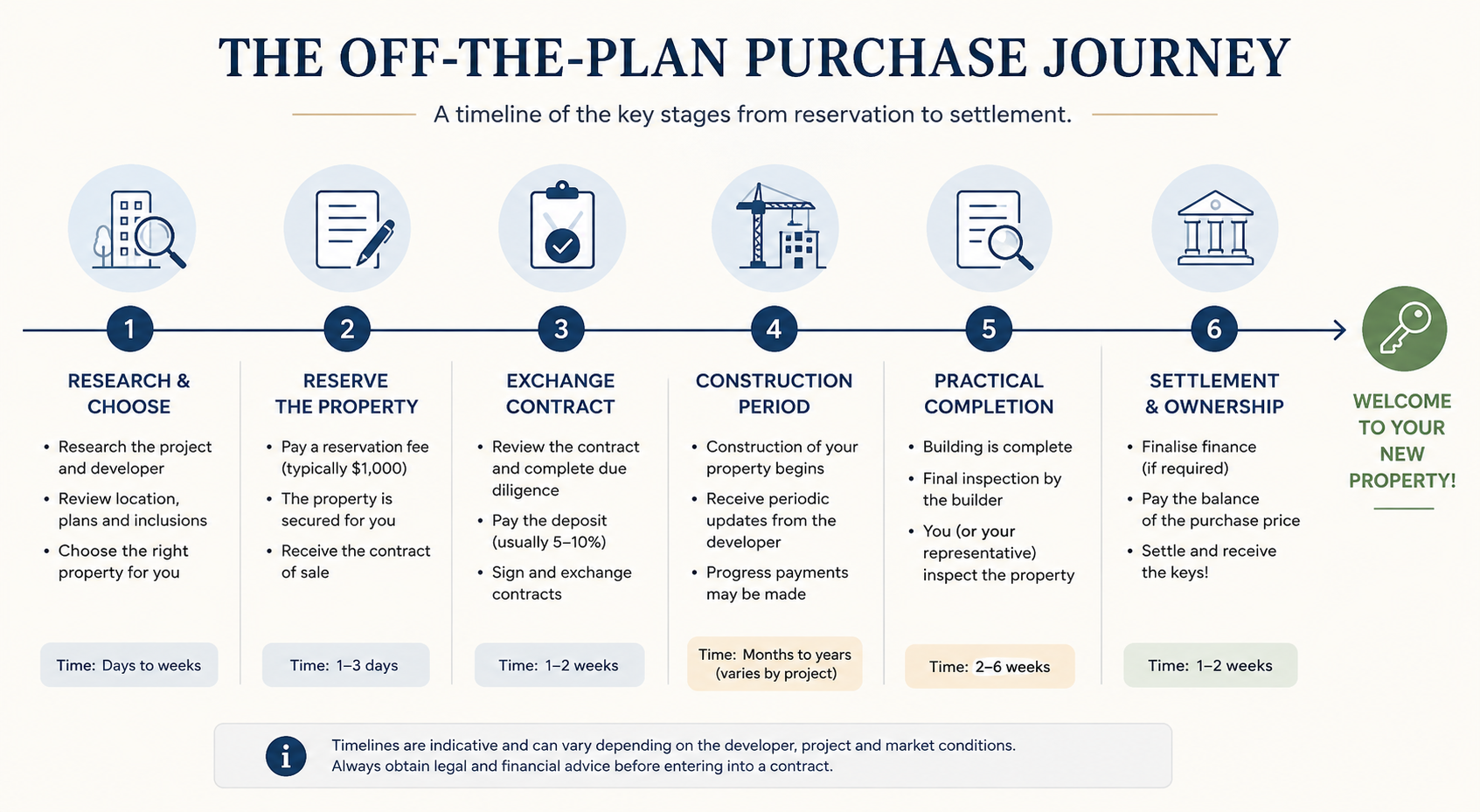
- You sign a contract based on plans, finishes and a schedule.
- You pay a deposit, commonly held in trust, rather than the full purchase price.
- Construction proceeds over months or years.
- The balance is paid at settlement, once an occupancy permit is issued and title is registered.
Because settlement is in the future, your finance is not locked in on day one. Lenders assess you closer to completion, and valuations are done then too.
Reading the floor plan and layout
One of the biggest differences with off the plan is that you are buying from plans, not a finished product. The floor plan shows room sizes, flow, storage, orientation and how the space will live day to day.

- Check total internal area, not just the overall dimensions
- Note the orientation and where natural light enters
- Look for storage, laundry placement and car accommodation
- Ask how the finishes schedule translates to the lived-in space
Why investors consider it
- A smaller upfront outlay while the balance is deferred
- Brand-new stock, typically with builder warranty and lower early maintenance
- Stronger depreciation deductions on new buildings and plant and equipment
- Time to prepare finances between signing and settlement
- Stamp duty treatment for off the plan purchases can differ from established property - confirm current Victorian rules with the State Revenue Office Victoria or your conveyancer
The risks to plan for
- Valuation shortfall - if the bank values the completed property below contract price, you cover the gap.
- Finance change - a change in income, rates or lending policy between signing and settlement can affect approval.
- Delays - construction timelines can move.
- Sunset clauses - understand the date and who can terminate under it.
- Supply - a large number of similar units completing at once can pressure rents and resale.
Due diligence checklist
- Developer and builder track record on completed projects
- Contract reviewed by your own conveyancer or solicitor, always
- Sunset date, variation clauses and defect rectification terms
- Finishes schedule and what can be substituted
- Owners corporation budget and expected annual fees
- Comparable rents and sales for finished stock nearby
- A finance buffer in case valuation comes in under contract
Is it right for you?
Off the plan suits investors with a stable income outlook, a buffer for a valuation gap and a genuinely long-term hold horizon. It suits short-horizon or tightly stretched buyers far less.
For the broader market context read the Melbourne property investment guide, or see current opportunities at Off The Plan Melbourne.