

Start with the numbers, not the property
Most successful purchases start well before an investor looks at a single listing. The three numbers that shape everything else are your borrowing capacity, the cash you have available for a deposit and purchase costs, and the ongoing shortfall you can comfortably cover each month.
- Borrowing capacity - confirmed with a broker or lender, not estimated from an online calculator.
- Upfront funds - deposit plus stamp duty, legal fees, lender costs and a buffer.
- Holding capacity - what the property costs you each month after rent, and how long you can sustain that if rates or vacancy move against you.
Victorian stamp duty, land tax thresholds and any concessions change over time. Check the current rates with the State Revenue Office Victoria before you budget.
Melbourne is not one market
Middle-ring townhouses, outer growth-corridor house-and-land and regional centres such as Geelong, Ballarat and Bendigo all behave differently. Rental demand, tenant profile, supply pipeline and price growth vary street by street, let alone suburb by suburb.
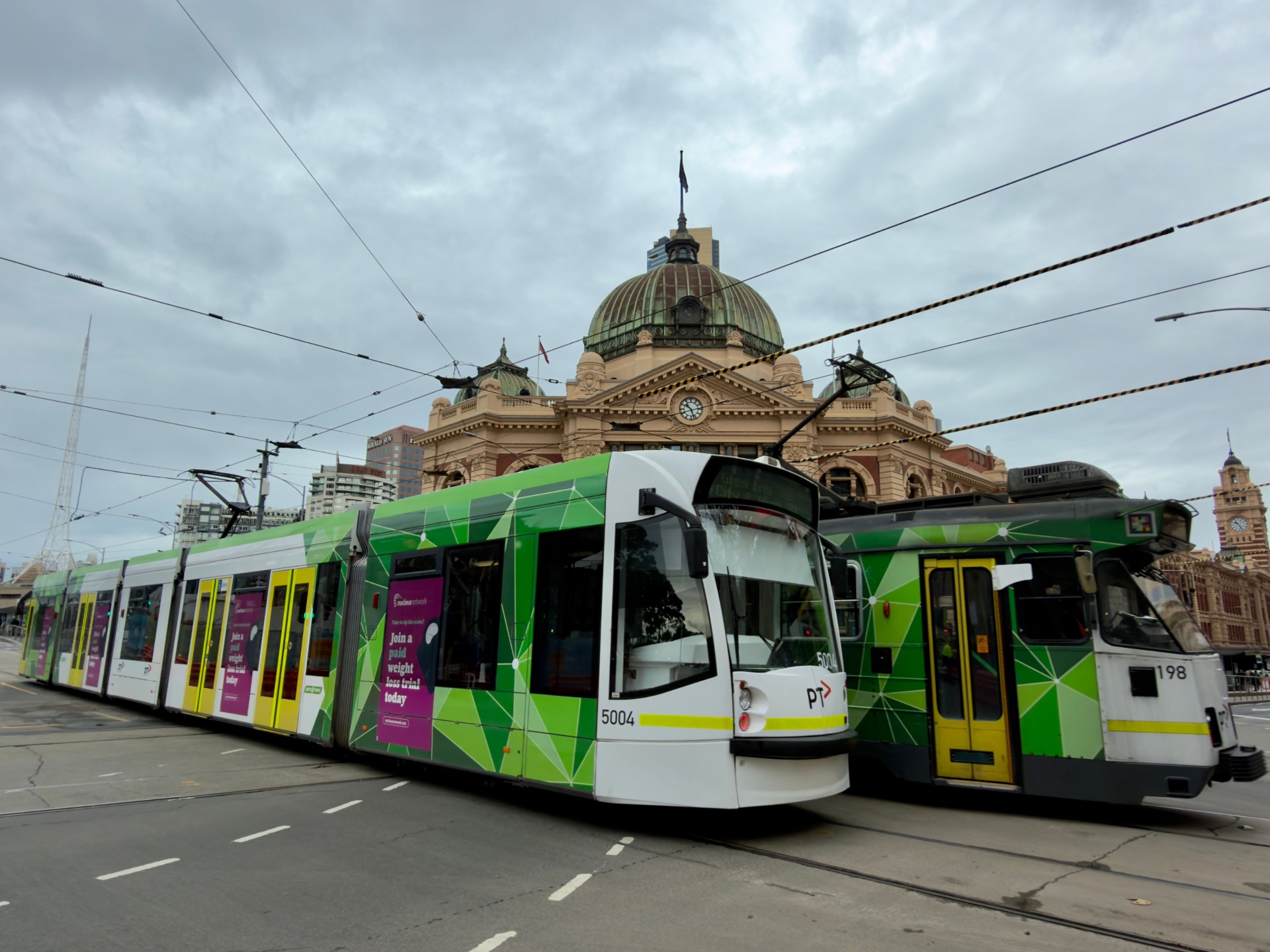
House and land opportunities are available across metropolitan Melbourne and regional Victoria, from established suburbs with larger blocks to new land releases on the city's fringe. These options suit investors who want a standalone dwelling, room for tenants and the ability to add value over time.
Rather than chasing a "top suburbs" list, work backwards from your strategy: if you need the property to hold itself, yield matters more; if you are buying for long-term equity to fund a second purchase, scarcity and land value matter more.
What to look at in a location
- Employment and infrastructure driving people into the area
- Supply pipeline - how much comparable stock is being built nearby
- Vacancy rates and days on market for rentals
- Tenant demographics and the property type they actually want
- Land component versus building component of the price
Cash flow versus capital growth
Higher-yielding properties are easier to hold but often grow more slowly; growth-focused assets can build equity faster but cost more to carry. Most portfolios end up as a deliberate mix, sequenced so that each purchase does not block the next one.
The practical test is simple: after this purchase, will a lender still let you buy again in two or three years? If the answer is no, the deal may be right on paper and wrong for your plan.
Common mistakes we see
- Buying emotionally, or buying near where you live by default
- Ignoring owners corporation fees and ongoing costs
- Underestimating stamp duty and settlement costs
- No buffer for vacancy, repairs or rate changes
- No exit or refinance plan before signing
Where to next
If you are buying brand new or off the plan, read our guide to off the plan property in Melbourne. If this is your first purchase, start with the first-time property investor guide or browse the frequently asked questions.
You can also explore current opportunities at Crest Property Investments.